
Applications of Python in Biomanufacturing
Prerequisite: Introduction to Python
Estimated Time to Complete: 4-6 hours
This course expands upon the previous Introduction to Python course, exploring the use of Python for biomanufacturing data sets while introducing some common biomanufacturing topics.
Bioreactor Analytics and Optimization
Prerequisite: Introduction to Python in Biomanufacturing
Estimated time to complete: 6-7 hours
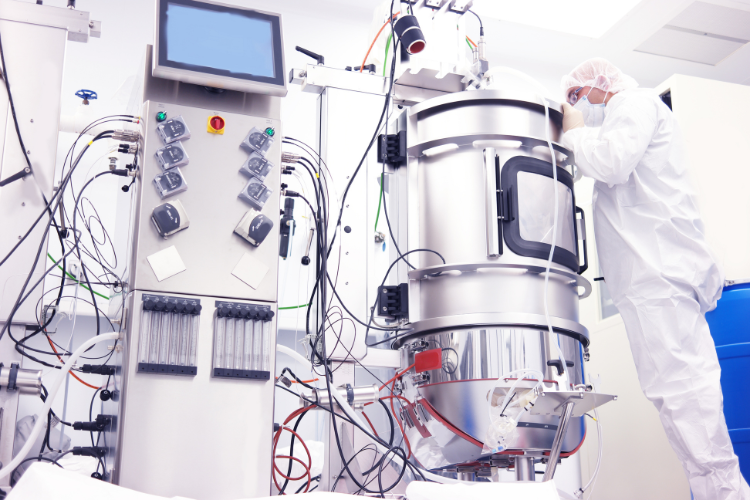
In this course, you'll work with diverse analytical techniques. Explore univariate analysis with t-tests and regression models linking cell growth to osmolarity. Dive into supervised and unsupervised machine learning, evaluating bioreactor performance, identifying critical parameters, and processing Raman spectra data to predict metabolites, using PCA analysis principles and multivariate analysis.

Analytics for Biomanufacturing Operations Management
Prerequisite: Introduction to Python in Biomanufacturing
Estimated time to complete: 5-6 hours
In this course, you'll learn the importance of data analytics in biomanufacturing-specific business operations. You'll gain hands-on experience with Python libraries for time-series demand forecasting and explore Six Sigma data analytics for enhancing operational efficiency through biomanufacturing case studies.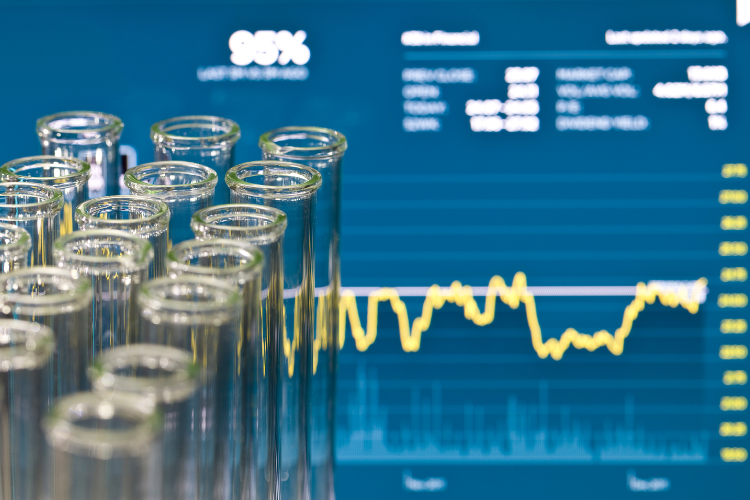
Biomanufacturing Supply Chain Management
Prerequisite: Introduction to Python in Biomanufacturing
Estimated time to complete: 5-6 hours
This course focuses on key aspects of biomanufacturing supply chain management. You'll learn to calculate performance indicators, evaluate outsourcing, address cold chain logistics challenges, explore reverse logistics and closed-loop supply chains, and optimize inventory strategies.